blog
Elevating Your Accessory Line: Customization Capabilities to Demand from Your Crossbody Bag Manufacturer
Sep
Elevating Your Accessory Line: Customization Capabilities to Demand from Your Crossbody Bag Manufacturer
The accessory market is more saturated than ever, and consumers are becoming increasingly discerning about the gear they carry. The crossbody bag, once praised purely for its hands-free convenience, has transformed into a primary vehicle for personal expression and streetwear styling. Because the baseline standard for these bags is already quite high, simply launching a basic, uninspired design is no longer enough to capture market share. To truly stand out, brands must push the boundaries of design, functionality, and aesthetic appeal.
This level of innovation requires partnering with an advanced crossbody bag manufacturer capable of executing highly technical customizations. When sourcing a factory for your next collection, their ability to move beyond standard templates and offer premium, bespoke features will make or break your product line. Here are the cutting-edge customization capabilities you should look for in a top-tier production partner.
1. Proprietary and High-Tech Hardware Integration
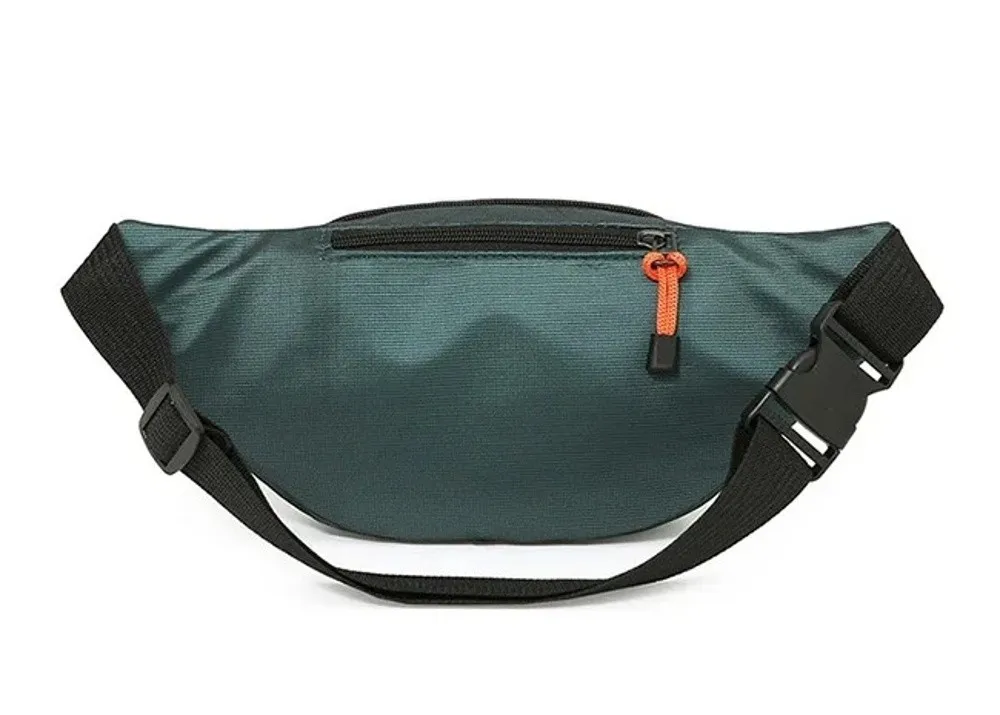
Standard plastic side-release buckles and generic metal zippers are functional, but they do not elevate a brand’s perceived value. Today’s consumers look for tactile satisfaction and high-performance durability in their accessory hardware.
A sophisticated manufacturer should offer access to premium, engineered closure systems. Magnetic hardware, such as Fidlock buckles, has become incredibly popular in the urban and tech-wear spaces due to its secure, quick-release functionality and futuristic feel. Additionally, inquire about custom-molded zipper pulls and hardware finishes. The ability to color-match your D-rings and slider buckles to your exact fabric Pantone, or to apply specialized finishes like matte rubberized coatings, brushed gunmetal, or iridescent anodized treatments, immediately signals to the consumer that your product is a premium, thoughtfully designed piece.
2. Modular and Interchangeable Strap Systems
The strap is the defining architectural element of a crossbody design. Consequently, it presents the greatest opportunity for functional innovation. A highly capable crossbody bag manufacturer will help you engineer strap systems that offer unparalleled versatility.
One of the most profitable trends in the accessory space is the interchangeable strap. By utilizing heavy-duty swivel snap hooks, you can allow customers to swap out their straps based on their outfit or activity. Your factory should be able to produce a variety of standalone strap options—from thick, branded jacquard webbing for a bold streetwear look to slim, braided vegan leather for evening wear. Furthermore, ask your manufacturer about integrating modular attachment points, such as laser-cut MOLLE webbing or daisy chains, allowing users to clip on secondary items like AirPods cases, hand sanitizer holders, or keys directly to the strap.
3. Advanced and Sustainable Textile Sourcing
Material selection is the most immediate indicator of quality. While traditional nylon and canvas are reliable staples, a forward-thinking factory will offer a library of advanced textiles that provide specific technical or environmental benefits.
If your brand caters to the activewear or commuter market, look for a production partner experienced in working with high-performance fabrics like X-Pac or Dyneema. These sailcloth-inspired materials are incredibly lightweight, highly water-resistant, and visually striking due to their distinct grid patterns. Alternatively, if your brand prioritizes sustainability, your manufacturer must be proficient in sourcing and sewing eco-friendly alternatives. This includes RPET (recycled polyethylene terephthalate) woven from ocean-bound plastics, or innovative plant-based leathers derived from apple peels or cactus fibers. Utilizing these textiles not only reduces your environmental footprint but also provides a compelling narrative for your marketing campaigns.
4. Intelligent Interior Organization and Tech-Readiness
While the exterior of the bag drives the initial purchase, the interior layout dictates long-term customer satisfaction. A beautifully crafted exterior means very little if the interior is just a single, chaotic, unlined pocket.
Work with your crossbody bag manufacturer to design intelligent, user-centric organizational systems. This requires precision sewing capabilities to execute complex interior gussets and floating pockets. Consider integrating dedicated, fleece-lined compartments to protect sunglasses or smartphone screens from scratches. For the modern commuter, incorporating hidden back-panel pockets for passports and utilizing RFID-blocking fabrics for wallet compartments adds immense value. High-contrast interior linings—such as a bright orange or neon green ripstop—are also a popular customization, as they make it significantly easier for the user to locate small items in low-light conditions.
5. Next-Level Branding Techniques
A printed logo is the most basic form of branding. To position your accessory line in the premium tier, your factory must offer diverse and sophisticated branding applications.
Explore options like three-dimensional PVC or silicone injection-molded patches for a tactical, modern aesthetic. For a more understated, luxurious approach, utilize debossed vegan leather patches or laser-engraved metal logo plates. Even the smallest details, such as custom-woven seam tags or jacquard-woven interior linings featuring your brand’s monogram, contribute to a cohesive and high-end brand experience.
Bringing a successful product to market is a collaborative engineering process. By demanding these advanced customization capabilities from your crossbody bag manufacturer, you ensure that your brand delivers an accessory that is not only visually stunning but functionally superior, securing your position in a highly competitive retail landscape.
