blog
How to Choose the Ideal Cosmetic Bag Manufacturer for Your Beauty Brand
Sep
In the fast-evolving beauty, skincare, and cosmetics industry, product presentation and functional accessories carry immense value. A high-quality custom cosmetic bag is more than just a promotional giveaway or a travel organizer—it is an direct extension of your brand’s identity and prestige. Whether you are launching an eco-friendly canvas pouch for an organic skincare line, a sleek structured vanity case for premium makeup, or a compact waterproof pouch for everyday essentials, partnering with a dependable cosmetic bag manufacturer is one of the most critical decisions for your business.
Finding a factory that understands fabric selection, structural integrity, custom branding techniques, and international quality standards can make the difference between a successful product launch and costly production delays. This comprehensive guide explores the essential factors to consider when choosing a manufacturing partner to ensure exceptional product quality, smooth supply chain operations, and elevated customer loyalty.
1. Clarifying Your Product Specifications and Customization Needs
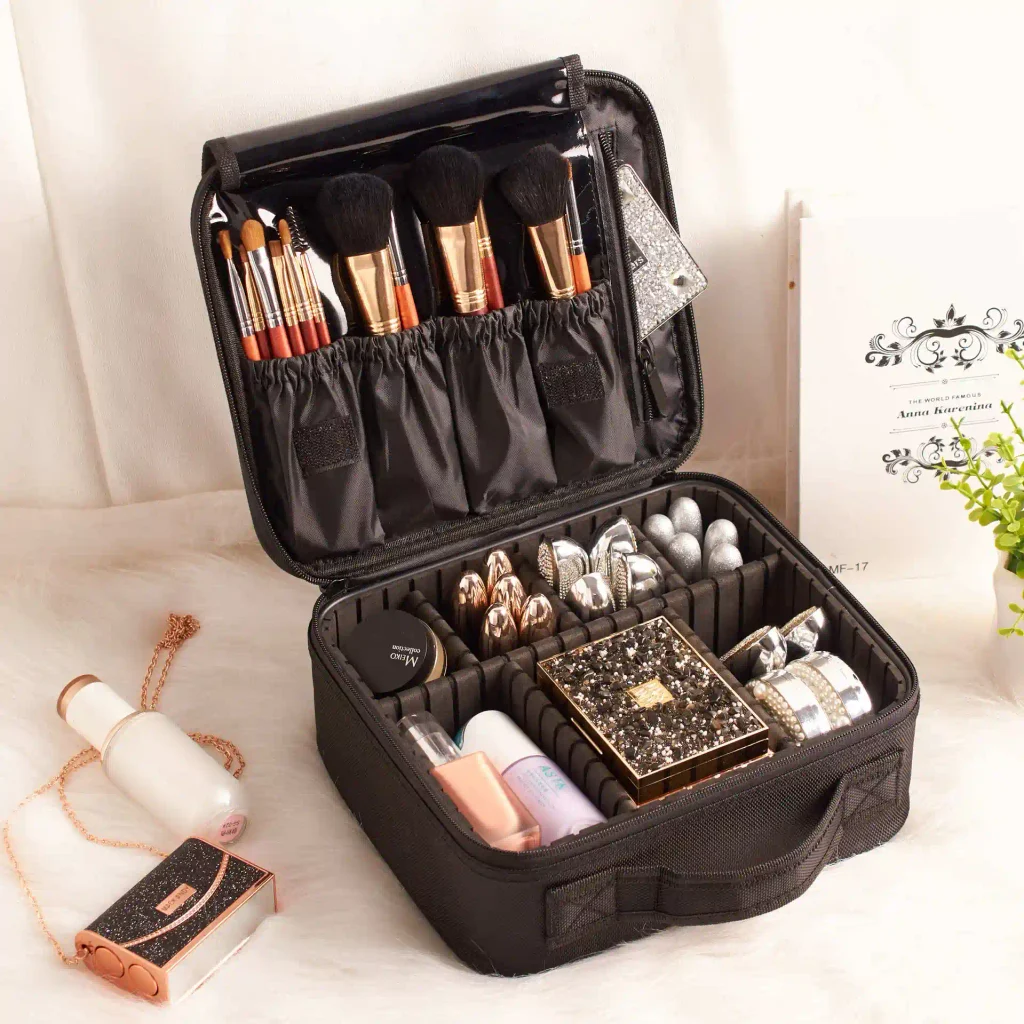
Before reaching out to potential OEM or ODM suppliers, you must define your design vision and functional requirements clearly. A versatile bags manufacturer should offer extensive customization options, allowing you to tailor every detail to align with your brand aesthetics.
When evaluating supplier capabilities, consider the following custom parameters:
- Material Selection: Determine whether your target market prefers luxury velvet, heavy-duty cotton canvas, eco-friendly recycled polyester (rPET), clear TPU/PVC, water-resistant nylon, or premium vegan PU leather.
- Hardware and Accents: High-grade zippers, custom metal pullers, reinforced handles, magnetic snaps, and specialized internal compartments or elastic loops for makeup brushes.
- Branding and Printing Techniques: Evaluate the supplier’s ability to execute silk-screen printing, heat transfer, intricate embroidery, debossing, embossing, woven fabric labels, or custom metal logo plates.
A capable manufacturer will review your tech packs, suggest suitable fabric weights (GSM), and offer practical modifications to optimize production costs without sacrificing visual appeal.
2. Evaluating OEM and ODM Manufacturing Capabilities
Not all pouch factories operate under the same production model. Understanding the distinction between Original Equipment Manufacturer (OEM) and Original Design Manufacturer (ODM) services helps align your expectations with the factory’s technical expertise.
- OEM Services: Ideal if you already have full tech packs, vector artwork, dimension charts, and exact material specifications. The manufacturer acts as your production facility, turning your exact blueprints into physical goods.
- ODM Services: Essential if you require design assistance, pattern creation, trend recommendations, or structural engineering. An experienced ODM factory offers a catalog of proven styles that can be customized with your logo, colors, and trims.
Furthermore, request details about their prototyping and sampling process. A professional supplier will deliver pre-production samples so you can physically inspect stitching density, seam strength, zipper smoothness, lining quality, and overall proportions before approving full-scale bulk production.
3. Rigorous Quality Control and Compliance Standards
Quality control directly impacts your brand reputation. Poor stitching, defective zippers, inconsistent sizing, or chemical odors can lead to negative customer reviews and product returns. When vetting potential custom cosmetic pouch manufacturers, inquire about their quality assurance (QA) protocols across every phase of production.
Key quality checkpoints include:
- Incoming Material Inspection: Testing fabrics, linings, and hardware for colorfastness, tear resistance, water repellency, and compliance with safety regulations (such as REACH, RoHS, or California Proposition 65) to ensure freedom from toxic substances.
- In-Line Stitching and Assembly Inspection: Checking seam tension, alignment, zipper functionality, and logo placement while bags are on the assembly line.
- Final Pre-Shipment Inspection: Conducting randomized AQL (Acceptable Quality Limit) inspections to verify unit counts, packaging cleanliness, carton durability, and overall craftsmanship.
Working with an ISO-certified or audited factory (such as BSCI or Sedex audited facilities) ensures that ethical labor practices, safe working conditions, and consistent manufacturing standards are maintained.
4. Understanding MOQs, Pricing Structures, and Production Timelines
Balancing manufacturing costs, cash flow, and stock turnover is crucial for both emerging brands and established cosmetics retailers.
- Minimum Order Quantities (MOQs): Inquire about MOQs for standard stock fabrics versus custom-dyed materials. A flexible manufacturing partner offers scalable MOQs, allowing startups to test market demand while supporting high-volume orders for large-scale retail distribution or seasonal gift-with-purchase (GWP) campaigns.
- Transparent Quotations: Request detailed cost breakdowns covering unit prices, pre-production sample fees, custom mold/tooling costs, packaging, and shipping terms (FOB, CIF, or DDP). Be cautious of quotes that are significantly lower than market averages, as they often reflect compromised thread quality, thin lining, or poor labor conditions.
- Turnaround Times: Establish realistic timelines for every phase. Typically, sample development requires 5 to 10 days, while bulk mass production spans 25 to 40 days, depending on material availability and order complexity.
5. Seamless Communication and Supply Chain Reliability
Clear, proactive communication forms the foundation of an efficient global manufacturing partnership. Working with an experienced export-oriented factory ensures fluent communication, prompt updates, and structured project management.
Look for a manufacturer who provides transparent production schedules, video updates during assembly, and reliable freight forwarding logistics. A true manufacturing partner does not simply take orders—they provide expert insights on cost optimization, eco-friendly material alternatives, and smart packaging solutions that reduce shipping volumes and transit costs.
Building a Strategic Manufacturing Partnership
Choosing the right cosmetic bag manufacturer is a strategic investment in your brand’s future growth. By prioritizing comprehensive customization options, strict quality control, transparent pricing, and clear communication, you protect your supply chain and deliver exceptional value to your end customers.
Partnering with a reliable bag producer allows you to focus on marketing, sales, and product innovation, knowing that your custom pouche
