
blog
From Concept to Creation: Inside the Production Process of a Clear Bags Manufacturer
Sep
Transforming a basic concept into a retail-ready transparent accessory requires precise engineering, specialized machinery, and meticulous attention to detail. While conventional fabric backpacks are cut and sewn using traditional methods, transparent plastics demand an entirely different approach to prevent tearing, clouding, or scratching. Brands looking to launch a line of transparent totes, stadium crossbodies, or industrial backpacks must understand exactly how a professional clear bags manufacturer operates. By breaking down the production process from initial design to final packaging, you can better manage your production timelines and ensure your final product meets exacting market standards.
Here is an inside look at the step-by-step journey your transparent products take on the factory floor at Monsoon Bags.
Phase 1: Blueprinting and Material Specification
Every successful production run begins with precise technical blueprints. During this initial stage, the clear bags manufacturer works closely with the brand to determine the exact dimensions, weight capacities, and use cases for the intended product.
This is also the critical moment for material selection. Instead of simply requesting “plastic,” brands must specify the exact gauge (thickness) and type of material. For instance, a lightweight promotional cosmetic pouch might require a soft 0.3mm PVC or EVA. In contrast, a heavy-duty security backpack designed for a warehouse worker carrying tools and heavy water bottles demands a robust 0.5mm to 0.8mm cold-resistant PVC. Specifying these details early prevents catastrophic product failures down the line.
Phase 2: Rapid Prototyping and Sampling
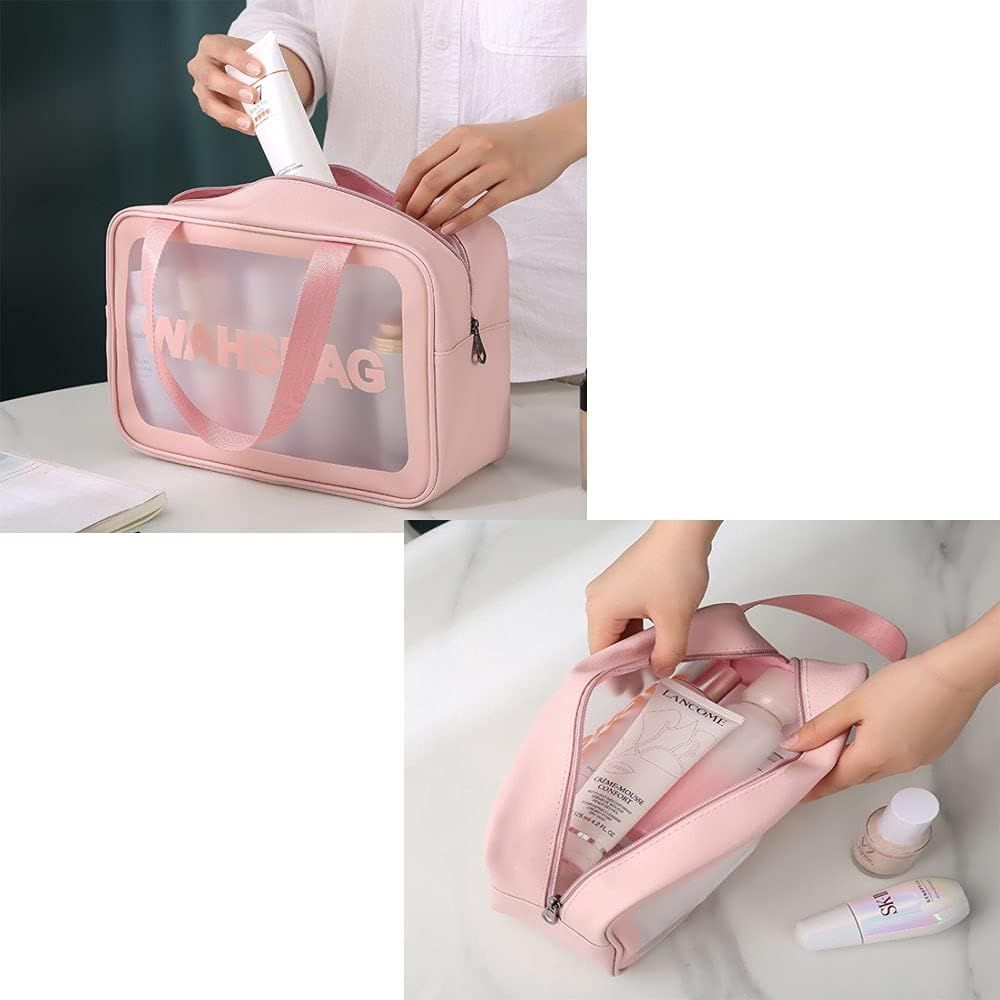
Before mass production begins, a reputable manufacturer will generate a physical prototype. The sampling phase allows brands to physically test the bag’s capacity, inspect the clarity of the plastic, and verify the ergonomics of the straps.
Because transparent materials do not hide interior seams the way canvas or nylon bags do, the prototype reveals exactly how clean the internal construction is. Brands should use this phase to rigorously test the zippers, load the bag with heavy items, and ensure the strap attachments do not stretch or warp the surrounding plastic. Only after the brand approves this physical sample does the factory move forward with bulk manufacturing.
Phase 3: Precision Cutting and High-Frequency Welding
The physical creation of the bag begins in the cutting room. Large rolls of PVC, TPU, or EVA are laid flat and cut into precise panels using heavy-duty die-cutting machines or automated laser cutters.
Once the panels are cut, the most fascinating part of transparent bag production begins: high-frequency (HF) welding. Unlike traditional fabrics that rely entirely on needles and thread, plastics can be fused together using electromagnetic energy. A clear bags manufacturer utilizes HF welding machines to apply focused heat and pressure to the edges of the plastic panels. This melts the materials together at a molecular level, creating a permanent, watertight, and incredibly strong seam. This technique is particularly vital for the bottom panels of heavy-duty clear backpacks, as it prevents the blowouts common in cheaply stitched alternatives.
Phase 4: Specialized Printing and Branding
Applying a logo to a transparent surface requires specialized ink formulations. Standard textile inks will easily scratch or peel off smooth PVC. A high-quality clear bags manufacturer will utilize advanced silk-screening techniques with specialized adhesion inks, or UV printing for complex, multi-colored graphics.
The printing process must happen while the plastic panels are still flat, prior to final assembly. After the ink is applied, the panels pass through a curing process to ensure the logo is permanently bonded to the plastic, resisting fading and scratching even after months of daily use in harsh weather conditions.
Phase 5: Assembly, Binding, and Stitching
With the panels welded and printed, the final assembly integrates the non-plastic components. This is where webbing straps, vegan leather trims, heavy-duty zippers, and mesh water bottle pockets are attached.
Because stitching punctures the plastic, operators must use specific needle sizes and heavy-duty nylon thread to prevent the material from perforating and tearing like a perforated piece of paper. The edges of the plastic are often wrapped in nylon or fabric binding before being stitched. This binding not only provides a clean, finished aesthetic but also reinforces the structural integrity of the bag, distributing the weight evenly across the seams.
Phase 6: Polishing, Inspection, and Protective Packaging
The final step on the production line is rigorous quality assurance and specialized packaging. Transparent bags are highly susceptible to showing fingerprints, dust, and manufacturing scuffs. Before being packed, each bag is wiped down and inspected under bright lights to ensure absolute clarity.
Packaging transparent products requires specific care. A premium clear bags manufacturer will insert tissue paper or non-woven fabric between the bags during shipping. If raw PVC bags are packed tightly against one another in a hot shipping container, they can stick together or transfer ink. Proper protective packaging ensures that when your inventory arrives, every bag is crystal clear, pristine, and ready for retail display.
By understanding this intricate manufacturing journey, you can confidently navigate the production process. Partnering with a dedicated facility like Monsoon Bags guarantees that every technical step—from high-frequency welding to specialized protective packaging—is executed flawlessly, delivering a superior product to your customers.
