
blog
Sustainable Cosmetic Bag Manufacturing: How Beauty Brands Drive Growth with Eco-Friendly Materials and Smart Designs
Sep
The global beauty, personal care, and cosmetics industry is undergoing a massive transformation. Modern consumers are no longer assessing brands solely on product efficacy or aesthetic packaging—they are increasingly prioritizing sustainability, ethical sourcing, and environmental responsibility. From organic skincare lines to clean makeup collections, brands are expected to demonstrate eco-conscious practices across every touchpoint.
This shift extends directly to promotional accessories, makeup organizers, and retail cosmetic pouches. Partnering with a forward-thinking cosmetic bag manufacturer who specializes in sustainable materials and innovative design enables beauty brands to reinforce their green values, captivate modern shoppers, and build long-term brand loyalty.
This article examines the most popular eco-friendly fabrics, essential design functionalities, and manufacturing strategies that allow beauty brands to create outstanding custom cosmetic bags.
1. Top Eco-Friendly Materials Transforming Custom Bag Manufacturing
Selecting the right fabric is the foundational step in developing a custom cosmetic pouch. Advanced manufacturing techniques have made high-performance, eco-conscious textiles accessible, durable, and visually sophisticated.
Here are the primary sustainable fabrics leading the beauty accessory market:
- Recycled Polyester (rPET): Produced from recycled post-consumer plastic bottles, rPET significantly reduces plastic waste and energy consumption. It is lightweight, water-resistant, durable, and highly receptive to vibrant custom prints, making it an ideal choice for vibrant makeup pouches, travel organizers, and high-volume promotional bags.
- Organic Cotton Canvas: Grown without synthetic pesticides or harmful fertilizers, organic cotton canvas offers a soft, natural texture and excellent durability. It is perfect for clean skincare brands, wellness labels, and eco-chic makeup collections seeking an organic, rustic, or minimal aesthetic.
- Washable Kraft Paper: Made from natural wood pulp fibers, washable kraft paper is biodegradable, lightweight, and surprisingly resilient. It develops a unique, weathered leather-like patina over time and is fully washable, offering a distinct visual appeal for eco-focused vanity pouches.
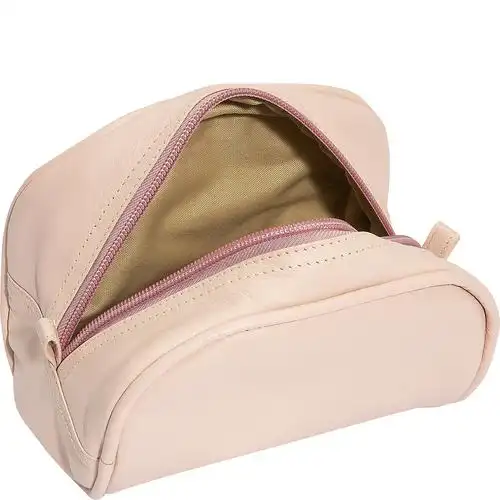
- Bio-Based and Recycled PU Leather: Synthetic vegan leather crafted from recycled polyurethane or plant-based agricultural residues (such as corn or apple peel fibers) provides a luxurious leather look without utilizing animal products. It offers a smooth finish, water resistance, and premium hand-feel for luxury cosmetic cases.
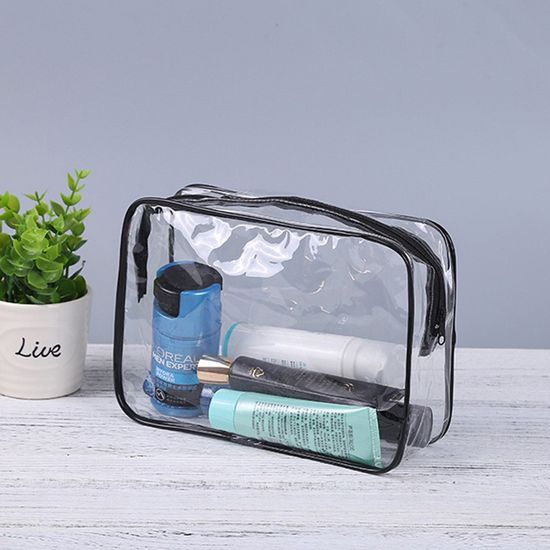
- Recycled or Biodegradable TPU: Traditional PVC bags release harmful chemicals during production and disposal. Recycled Thermoplastic Polyurethane (TPU) serves as an eco-friendly, non-toxic alternative for clear cosmetic bags required for airport security and easy content visibility.
2. Incorporating Smart Design and Practical Functionality
A beautifully crafted cosmetic bag must perform exceptionally in daily use. A specialized manufacturer will work alongside your design team to integrate structural features that enhance convenience, organization, and product protection.
Key functional elements to incorporate into custom bag designs include:
- Wipeable and Leak-Proof Linings: Skincare serums, liquid foundations, and oils can spill during transit. Incorporating easy-to-clean, waterproof internal linings (such as food-grade PEVA or TPU) ensures that liquid spills do not seep through to the outer fabric or damage other belongings.
- Modular and Organized Interiors: Internal elastic loops keep makeup brushes, lipsticks, and glass droppers securely upright. Dividers, removable zippered pouches, and mesh pockets optimize space and allow customers to organize their beauty routine seamlessly.
- High-Performance Hardware: Smooth-gliding, durable zippers are vital. Anti-corrosive nylon zippers, recycled metal alloy pullers, and reinforced zipper tracks prevent snagging, bursting, or rusting when exposed to bathroom moisture.
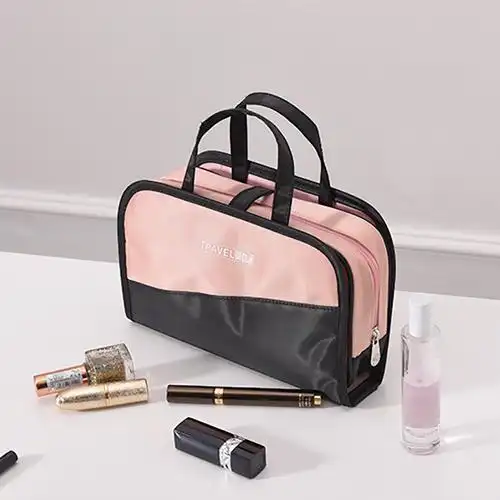
- Ergonomic and Compact Shapes: Modern consumers prefer space-efficient silhouettes—such as stand-up gusset pouches, structured barrel bags, flat lay-flat makeup organizers, and multi-tier hanging toiletry cases for seamless travel integration.
3. Differentiating Strategies: Retail-Ready Lines vs. GWP Campaigns
Cosmetic bag factories cater to two primary market applications: high-end retail merchandise and Gift-With-Purchase (GWP) promotional campaigns. Aligning your production strategy with your specific campaign goal ensures optimal allocation of resources and budget.
Gift-With-Purchase (GWP) Campaigns
Promotional bags given alongside major product purchases or seasonal holiday bundles must balance strict unit cost targets with high visual impact.
- Manufacturing Focus: Utilizing lightweight yet durable rPET or standard canvas, streamlined single-compartment patterns, fast production turnarounds, and bold screen-printed or heat-transferred brand logos.
- Goal: Maximize perceived customer value, boost average order value (AOV), and accelerate product conversion rates during key promotional windows.
Premium Retail Lines
Cosmetic bags sold as standalone merchandise demand superior craftsmanship, elevated material weights, and intricate details.
- Manufacturing Focus: Heavy-gauge fabrics, custom-dyed linings, debossed vegan leather patches, custom metal hardware, complex internal compartments, and premium retail packaging (such as individual dust bags or custom gift boxes).
- Goal: Generate direct retail revenue, reinforce brand prestige, and serve as long-lasting everyday lifestyle accessories.
4. Quality Assurance and Eco-Certifications in Bag Production
When building a sustainable product line, verifying the credibility of your material suppliers and manufacturing partner is essential to avoid accusations of greenwashing. A reputable manufacturer should provide recognized third-party certifications and enforce strict quality assurance procedures.
Look for key industry standards such as:
- GRS (Global Recycled Standard): Verifies the exact percentage of recycled content in materials like rPET and tracks supply chain transparency.
- GOTS (Global Organic Textile Standard): Ensures organic fibers meet strict ecological and social criteria throughout processing.
- OEKO-TEX Standard 100: Guarantees that textiles are free from harmful substances, heavy metals, and toxic chemical dyes.
- Chemical Compliance: Ensuring all materials adhere to REACH and California Proposition 65 safety regulations.
Conclusion
Developing custom cosmetic bags is an effective way for beauty brands to deliver functional utility, convey brand story, and strengthen customer trust. By embracing eco-friendly materials, smart internal engineering, and rigorous manufacturing standards, your brand can offer high-value beauty accessories that resonate with today’s environmentally conscious consumers.
Collaborating with a knowledgeable cosmetic bag manufacturer transforms design ideas into durable, elegant, and sustainable products that elevate your brand in a competitive marketplace.
