
blog
Innovations Shaping the Future of Luggage Manufacturing: What Modern Travel Brands Need to Know
Sep
The travel industry is undergoing a profound transformation. Today’s travelers are more tech-savvy, eco-conscious, and demanding than ever before. They expect their gear to do far more than simply carry clothes from point A to point B; they demand luggage that is lightweight, effortless to maneuver, highly secure, and environmentally responsible.
For travel brands, staying ahead of these changing consumer expectations requires working closely with a forward-thinking luggage manufacturer. The factories that lead the market are those embracing cutting-edge engineering, sustainable material sourcing, and smart design integrations. In this article, we will explore the key trends and technological innovations currently shaping the future of suitcase and bag production.
1. The Sustainable Revolution: Eco-Friendly Materials
Sustainability has shifted from a nice-to-have feature to an absolute requirement for modern consumers. Leading factories are completely overhaul their raw material pipelines to reduce environmental impact without sacrificing the durability that travel gear requires.
Recycled Shells and Fabrics
A progressive luggage manufacturer now offers an extensive array of sustainable material choices:
- RPET (Recycled Polyethylene Terephthalate): Softside suitcases, duffels, and interior linings are increasingly crafted from RPET fabric made from recycled plastic water bottles. This process diverts plastic waste from landfills and oceans while using significantly less energy and water during production compared to virgin polyester.
- Recycled Polycarbonate and ABS: For hardshell luggage, factories are utilizing post-industrial and post-consumer recycled plastics. Through precise blending techniques, manufacturers can produce hardshell cases that match the impact resistance of traditional plastics while dramatically lowering the carbon footprint.
Eco-Conscious Component Sourcing
Beyond the main body of the suitcase, top suppliers are rethinking every component. This includes using recycled aluminum for telescopic handles, OEKO-TEX certified non-toxic zippers, and water-repellent coatings free from harmful fluorocarbons (PFC-free).
2. Smart Luggage Integration with Airline Compliance
The rise of smart travel features has revolutionized the luggage market, but early iterations faced major hurdles due to strict airline safety regulations regarding lithium-ion batteries. Today, a knowledgeable luggage manufacturer knows how to integrate modern technology seamlessly and legally.
Removable Battery and Power Hubs
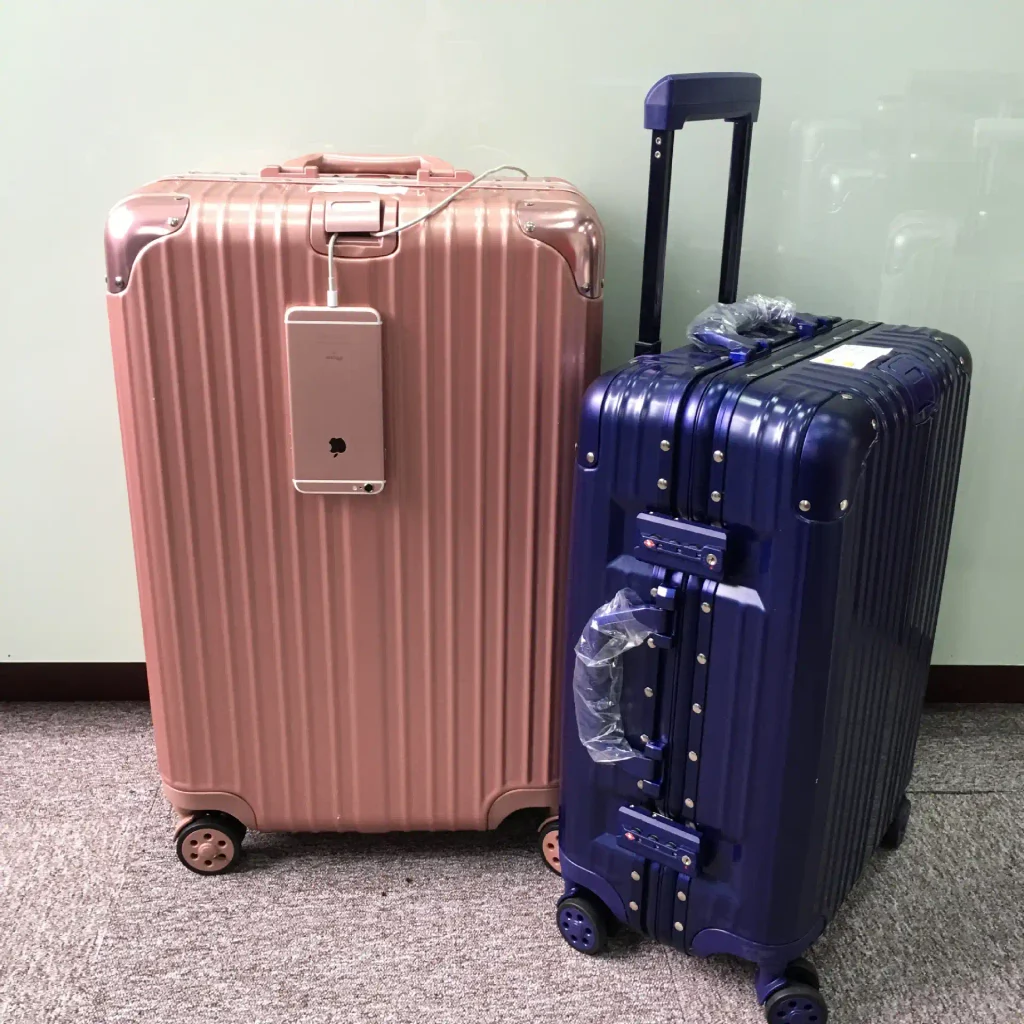
Modern smart suitcases feature built-in charging ports located on the exterior of the case. Crucially, high-end factories design these hubs with easily accessible, removable power bank compartments. This allows travelers to quickly pop out their battery pack before checking their bag, fully complying with international aviation safety rules.
Built-in Location Tracker Pockets
With lost baggage continuing to be a major headache for frequent flyers, integrated tracker storage has become a major selling point. Forward-thinking manufacturers are incorporating hidden, padded compartments specifically designed to hold personal tracking devices like Apple AirTags or Samsung Galaxy SmartTags. Placing these pockets strategically ensures optimal signal transmission without compromising the bag’s sleek exterior aesthetics.
Integrated Digital Scales
Overweight baggage fees are a constant source of anxiety for travelers. To solve this, innovative suppliers are engineering digital weight sensors directly into the top grab handle of the suitcase. Travelers simply lift the bag by the handle, and an integrated digital display indicates the total weight before they ever reach the airport check-in desk.
3. Advanced Ergonomics and Ultra-Lightweight Design
As airline carry-on limits become stricter and baggage fees increase, every ounce matters. A skilled luggage manufacturer invests heavily in structural engineering to reduce overall product weight while simultaneously increasing structural integrity.
Next-Generation Wheel Engineering
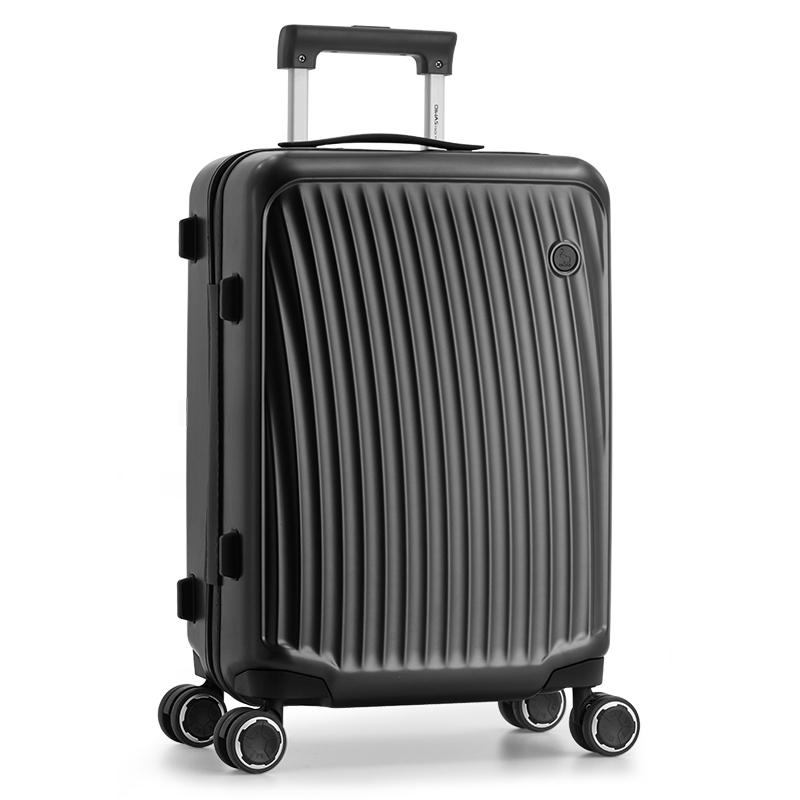
The wheels are often the first component to fail on a heavily used suitcase. Modern factories are moving away from traditional single wheels toward dual 360-degree spinner wheels equipped with Japanese-engineered steel bearings and shock-absorbing rubber treads. These advanced wheel systems allow heavy bags to glide effortlessly across smooth airport terminals as well as rough city streets, all while operating in near-total silence.
Ergonomic Telescopic Handle Systems
A cheap handle wobbles, sticks, and causes wrist fatigue. High-grade production lines utilize aircraft-grade aluminum tubes with reinforced internal locking mechanisms. These handles feature multiple height adjustments to comfortably accommodate travelers of all statures and are shaped to fit natural hand curves, reducing strain during long commutes.
4. Modular Design and Versatile Packing Solutions
Travel habits have diversified. Consumers often want a single bag that can easily transition from a short two-day business trip to a week-long vacation. Consequently, modularity has become a major trend in factory research and development.
Top manufacturers are designing integrated packing systems that work in harmony with the main suitcase:
- Removable Compression Pads: Interior dividers that double as garment folders or compression boards to maximize packing volume.
- Modular Wet/Dry Compartments: Built-in TPU-lined waterproof pockets that keep damp swimwear or dirty shoes completely separated from clean clothes.
- Expandable Gussets: Precision-engineered zipper expansion zones that add up to 20% more packing capacity on demand without weakening the bag’s overall structural frame.
Conclusion
The future of luggage manufacturing is defined by the intersection of sustainability, smart engineering, and user-centric design. As consumer demands continue to evolve, travel brands cannot afford to rely on outdated production methods or generic designs.
By aligning your brand with an innovative luggage manufacturer that embraces these modern trends, you ensure that your product line remains relevant, competitive, and highly sought after by travelers worldwide. Investing in modern materials, seamless technology, and superior craftsmanship is the surest way to build a brand that stands the test of time.
