
blog
Crafting the Ultimate Travel Companion: A Deep Dive into Premium Weekender Bag Manufacturing
Oct
In an era defined by spontaneous travel, flexible work arrangements, and dynamic modern lifestyles, travelers demand gear that adapts seamlessly to every journey. Enter the weekender bag—a versatile, stylish, and highly functional travel staple designed to hold everything needed for a two-to-three-day getaway, business trip, or countryside excursion. Beyond mere convenience, an exceptional duffel or holdall reflects personal taste, structural endurance, and refined craftsmanship. Behind every durable travel bag lies a dedicated manufacturing process that fuses traditional leatherworking and textile artistry with advanced production technology.
Understanding how high-grade weekender bags are conceptualized, constructed, and quality-tested provides vital insights for travel enthusiasts, retail buyers, and brand creators looking to bring superior products to the global market. From material selection and ergonomic engineering to strict quality control and sustainable production, the journey from raw textiles to a finished travel companion requires precision at every step.
The Anatomy of an Exceptional Weekender Bag
A well-crafted weekender bag strikes a delicate balance between lightweight carrying comfort and generous storage capacity. Unlike bulky traditional luggage, a weekend carry-on must fit effortlessly into airplane overhead compartments, train racks, or car trunks while maintaining an elevated visual profile. Achieving this ideal equilibrium requires meticulous planning during the initial product design and engineering stages.
Key elements that define a high-performance weekender bag include:
- Optimized Internal Architecture: A spacious main compartment serves as the core, supplemented by strategically placed internal and external organizational pockets. Dedicated padded sleeves for laptops, passports, tech cables, and key fobs ensure effortless accessibility during transit.
- Isolated Footwear and Wet Storage: Specialized shoe compartments or liquid-resistant linings keep footwear and soiled garments separate from clean clothes, preserving freshness throughout the journey.
- Ergonomic Transportation Options: Detachable padded shoulder straps, reinforced dual carry handles, and integrated trolley sleeves for rolling luggage attachment minimize body strain and maximize travel mobility.
- Heavy-Duty Hardware Integration: Smooth, rust-proof metallic zippers, solid brass or zinc alloy swivels, and reinforced bottom studs protect against wear and ensure reliable performance under heavy loads.
Material Selection: The Foundation of Quality Craftsmanship
The hallmark of a distinguished bag manufacturer is an unyielding commitment to sourcing high-grade raw materials. The structural resilience and visual appeal of a weekender stem directly from the textiles, leathers, and hardware integrated into its build.
Full-Grain and Top-Grain Leathers
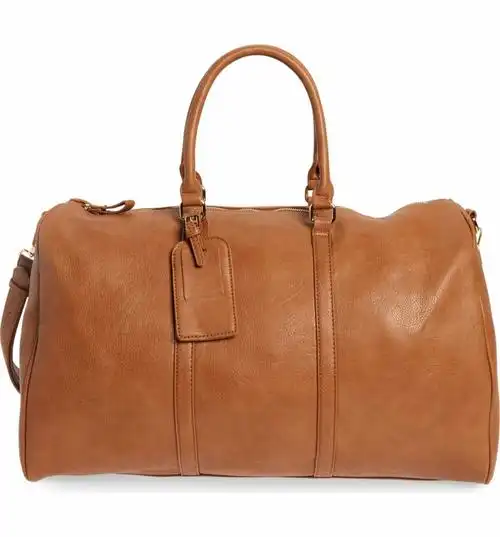
Leather weekender bags represent classic elegance, luxury, and rugged charm. Premier manufacturers utilize full-grain or top-grain leathers treated with natural vegetable tanning processes. These materials develop a rich, unique patina over time, gaining distinctive character with every trip while offering inherent resistance against abrasion and tears.
Heavy-Duty Canvas and Technical Fabrics
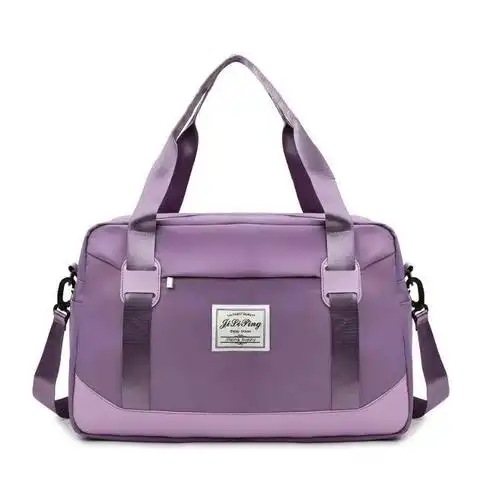
For lighter, weather-resistant options, high-density waxed canvas, ballistic nylon, and waterproof polyester offer exceptional tensile strength. Waxed canvas delivers a timeless, heritage aesthetic, while modern technical synthetic fabrics appeal to minimalist urban travelers who prioritize stain resistance, easy maintenance, and lightweight construction.
Sustainable and Recycled Textiles
As modern consumers increasingly prioritize eco-conscious manufacturing, forward-thinking bag factories incorporate sustainable raw materials. Recycled ocean plastics, certified organic cotton canvas, and plant-based vegan leather alternatives allow brands to offer environmentally responsible products without compromising structural integrity or luxury aesthetics.
The Modern Manufacturing Process: From Blueprint to Finished Product
Constructing a travel bag capable of enduring years of frequent transportation requires a multi-staged production workflow executed by skilled artisans and automated machinery.
- CAD Patterning and Tech Pack Creation: The production journey begins with precise computer-aided design (CAD) drawings and technical specification sheets. These documents define exact measurements, seam allowances, stress point reinforcements, and hardware positioning.
- Prototyping and Functional Testing: Before embarking on full-scale mass production, physical sample bags are crafted to evaluate load capacity, weight distribution, seam stress, and zipper fluidity. Prototype adjustments guarantee that the final product excels under real-world usage.
- Precision Material Cutting: Using computer-controlled laser cutters or custom hydraulic dies, material sheets are cut with exact consistency. This high level of precision reduces textile waste and guarantees that every component aligns perfectly during assembly.
- Reinforcement and Assembly: Critical load-bearing regions—such as handle anchor points and shoulder strap rings—receive secondary internal backing layers and heavy-duty box-x stitching. Linings, foam protective padding, and internal pocket structures are systematically sewn together.
- Hardware Fitting and Finishing Touches: Zippers, magnetic snaps, feet studs, and metal logos are attached. Leather edges are meticulously hand-painted, sealed, and burnished to prevent fraying and moisture penetration.
- Comprehensive Quality Assurance: Every finished weekender bag undergoes rigorous quality control inspections. Quality teams examine stitch density, zipper operation, seam strength, color uniformity, and surface cleanliness prior to final packaging and delivery.
Customization and Private Label Production Solutions
For brand owners, fashion retailers, and corporate clients seeking custom travel gear collections, choosing an experienced manufacturing partner is the key to market distinction. A reliable manufacturer offers flexible original equipment manufacturing (OEM) and original design manufacturing (ODM) capabilities, permitting complete product customization.
Custom options range from bespoke debossed logos and personalized interior linings to custom metal hardware pullers, exclusive fabric colorways, and tailored pocket configurations. Partnering with a dedicated manufacturing specialist enables brands to transform creative concepts into tangible products that capture consumer interest and stand out in the competitive travel goods industry.
Whether crafting sophisticated executive leather holdalls or rugged, water-resistant canvas travel duffels, superior manufacturing processes elevate simple luggage items into indispensable companions designed for a lifetime of adventure.
