
blog
How Bag Manufacturers Turn Retail Concepts Into Production-Ready Products
Nov
Behind every successful bag collection is a process that transforms an idea into a product customers can use and enjoy. Retail brands may begin with a sketch, a market trend, or a specific customer need, but turning that concept into a production-ready bag requires careful planning, technical expertise, and close collaboration with a reliable bag manufacturer.
From material selection and prototype development to quality control and bulk production, each stage plays an important role in creating bags that meet design expectations, functionality requirements, and commercial goals. Understanding this process can help retailers, wholesalers, and emerging brands develop better products and build stronger relationships with manufacturing partners.
1. Understanding the Retail Concept and Target Market
The first step in bag product development is understanding the retail concept. A manufacturer needs to know what the bag is designed for, who will use it, and how it should perform.
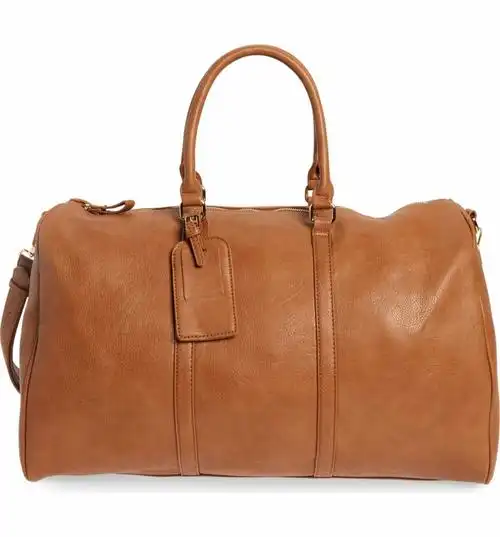
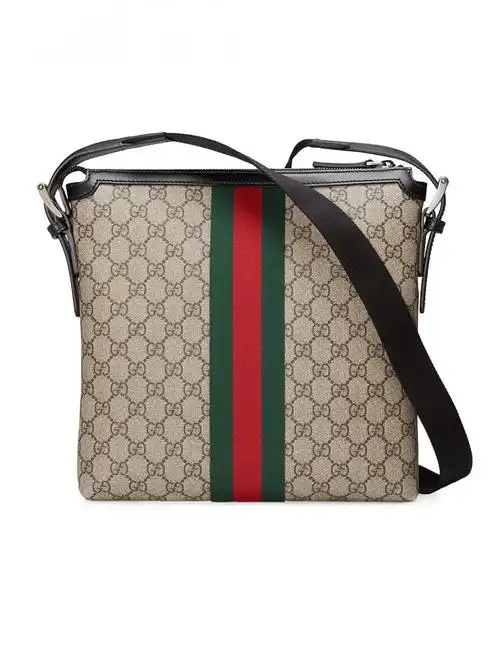
For example, a fashion brand developing a collection of handbags may prioritize appearance, shape, color, and decorative details. A retailer creating travel bags may focus more on storage capacity, durability, and convenience. A promotional product company may require affordable materials, practical designs, and customized branding.
At this stage, the brand typically shares product references, sketches, mood boards, measurements, and other design information. The manufacturer reviews these materials to understand the intended product and identify any technical challenges.
A clear product brief helps both parties establish realistic expectations before development begins.
2. Selecting Suitable Materials and Components
Material selection has a significant influence on a bag’s appearance, performance, manufacturing process, and cost. Bag manufacturers help brands choose materials that match their design requirements and target price range.
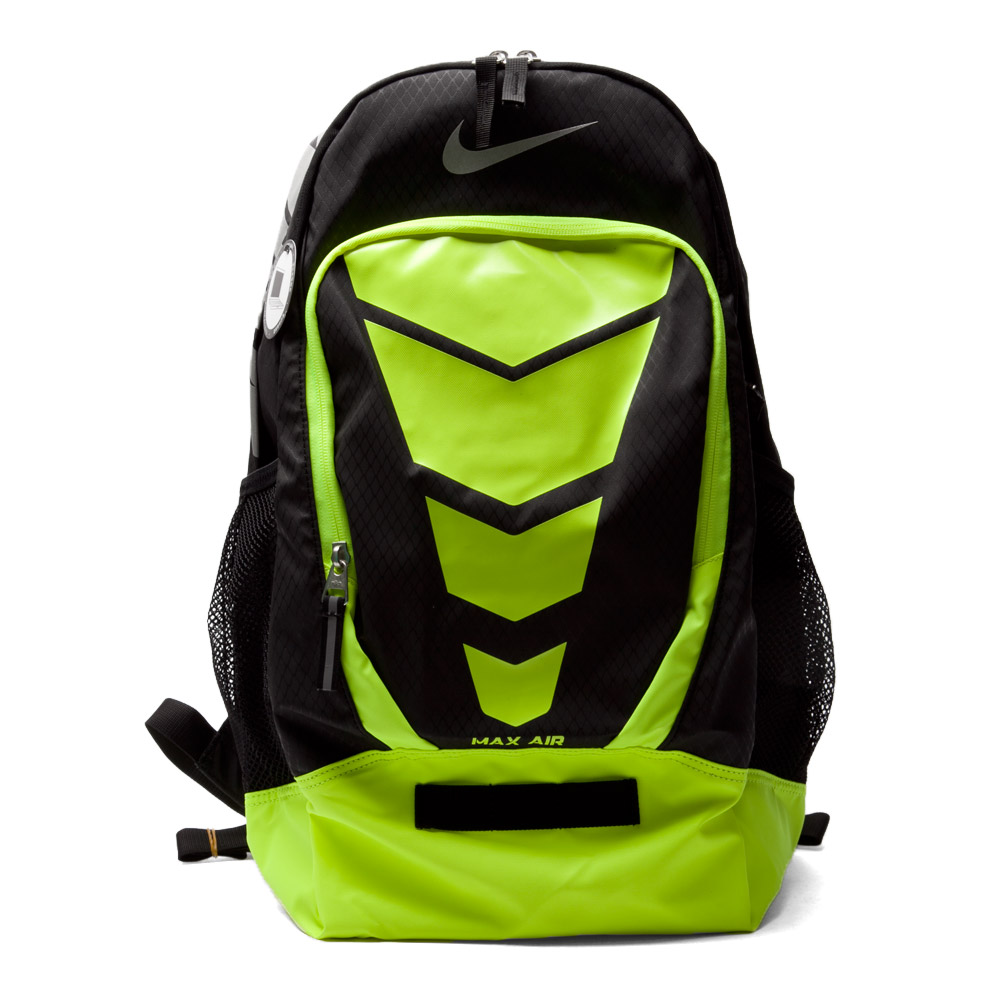
Common materials include canvas, polyester, nylon, cotton, PU leather, and various recycled fabrics. Each material has different characteristics. Nylon is often selected for its strength and lightweight properties, while canvas offers a versatile, casual appearance. PU leather can provide a polished finish for fashion handbags and business accessories.
Manufacturers also help select supporting components, including:
- Zippers and zipper pulls
- Buckles and metal hardware
- Webbing and shoulder straps
- Linings and padding
- Labels, logos, and decorative accessories
The compatibility of these components matters. A heavy metal buckle may not be suitable for a lightweight bag, while a delicate lining may not perform well in a product intended for frequent travel.
By evaluating materials and components early, manufacturers can help prevent design problems and keep production costs under control.
3. Developing Technical Specifications
A retail concept often needs to be translated into precise technical details before a bag can be manufactured consistently. This stage is commonly known as technical development.
The manufacturer prepares or reviews a technical specification sheet, sometimes called a tech pack. It may include product dimensions, material descriptions, color references, stitching details, pocket placement, hardware specifications, logo positions, and construction methods.
Accurate measurements are especially important. A small change in bag width, strap length, or compartment depth can affect the overall appearance and usability of the product.
Technical specifications also help ensure that different production batches follow the same standards. When the brand and manufacturer agree on these details, the risk of misunderstandings during sampling and bulk production is reduced.
4. Creating Samples and Prototypes
Sampling is one of the most important stages in custom bag manufacturing. A prototype allows the retail brand to evaluate how the concept works in a physical product.
The first sample may reveal issues that were not obvious in a sketch or digital design. The bag may feel too heavy, the opening may be too narrow, or a pocket may not provide enough space. The manufacturer and brand can then review the sample and make adjustments.
Depending on the project, the sampling process may involve several versions:
Initial prototype: Used to evaluate the basic shape, structure, and construction.
Revised sample: Includes changes based on feedback about dimensions, materials, or design details.
Pre-production sample: Represents the approved design and is used as a reference for bulk manufacturing.
Careful sample approval helps reduce costly changes after production has started.
5. Balancing Design, Functionality, and Cost
A retail bag must look appealing, perform well, and remain commercially viable. Manufacturers help brands balance these priorities by reviewing the design and identifying opportunities for improvement.
For example, a bag with multiple decorative panels may require more labor and material than a simpler design. A special metal accessory may increase the unit cost or extend the production schedule. A different fabric or construction method could achieve a similar appearance at a more competitive price.
Cost evaluation usually considers material consumption, labor, hardware, printing or embroidery, packaging, and order quantity.
The goal is not simply to make the bag cheaper. It is to find a practical solution that maintains the product’s essential quality and design identity while meeting the brand’s budget.
6. Preparing for Bulk Production
Once the sample is approved, the manufacturer prepares the product for mass production. This stage involves confirming material availability, production planning, cutting methods, sewing procedures, and quality standards.
For larger orders, materials may need to be purchased in advance. The manufacturer also determines how the work will be organized across different production processes, such as fabric cutting, printing, stitching, assembly, and finishing.
Consistent production depends on clear instructions and well-managed workflows. Any changes to the approved design should be documented and confirmed before implementation.
Brands should also discuss order quantities, production lead times, packaging requirements, and delivery schedules with their manufacturing partners.
7. Quality Control Throughout Manufacturing
Quality control is not limited to inspecting finished bags. Reliable bag manufacturers may conduct checks at multiple stages of production.
Incoming materials can be reviewed for color, texture, and defects. During manufacturing, inspectors may check stitching quality, dimensions, logo placement, and assembly. Finished bags can be evaluated for appearance, functionality, and consistency with the approved sample.
Depending on the product, quality checks may include zipper operation, strap strength, seam condition, and the performance of closures or hardware.
A clear quality standard helps both the manufacturer and retailer understand what is acceptable. It also supports more consistent products across bulk orders.
8. Building a Strong Partnership With a Bag Manufacturer
Successful product development requires cooperation between the retail brand and the manufacturing partner. Brands should provide clear design information, timely feedback, and realistic expectations. Manufacturers should communicate technical limitations, cost considerations, and production progress.
An experienced custom bag manufacturer can offer more than production services. It can provide practical advice on materials, construction, customization, and product development.
For retailers planning future collections, a dependable manufacturing relationship can make it easier to introduce new styles, refine existing products, and maintain consistent quality.
Conclusion
Turning a retail concept into a production-ready bag involves much more than sewing materials together. It requires a structured process that includes market understanding, material selection, technical development, sampling, cost evaluation, production planning, and quality control.
By working closely with a capable bag manufacturer, retailers can transform creative ideas into functional, commercially viable products. Clear communication and careful planning at every stage help reduce production risks and create bags that meet customer expectations while supporting long-term business growth.
