blog
Recycled Bag Manufacturer: How to Choose the Right Partner for Sustainable Bags
Oct
As businesses increasingly look for practical ways to reduce waste and improve their product offerings, recycled bags have become an important choice for retailers, wholesalers, promotional product distributors, and environmentally conscious brands. Made with materials that incorporate recycled content, these bags offer opportunities to combine everyday functionality, attractive designs, and more responsible material sourcing.
Choosing the right recycled bag manufacturer is an important step in developing high-quality products that meet your business requirements. From selecting recycled fabrics to customizing bag sizes, printing brand logos, and managing bulk production, a reliable manufacturing partner can help turn your ideas into practical products for your target market.
Whether you are planning reusable shopping bags, recycled tote bags, promotional bags, or custom packaging solutions, understanding the manufacturing process and available materials can help you make informed purchasing decisions.
What Is a Recycled Bag Manufacturer?
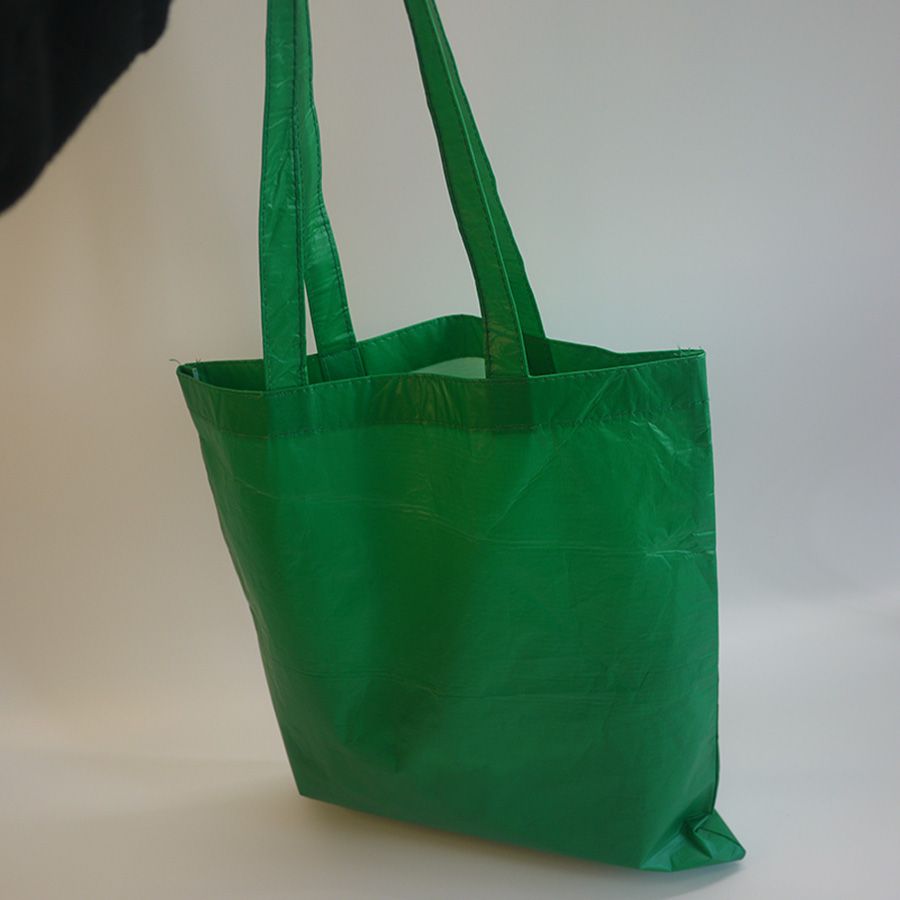
A recycled bag manufacturer specializes in producing bags using materials that contain recycled content. Depending on the product design, these materials may include recycled polyester, recycled cotton, and other reclaimed or repurposed textile materials.
Recycled polyester, commonly known as rPET, is frequently used to manufacture shopping bags, backpacks, drawstring bags, cosmetic pouches, and promotional merchandise. It can be made from recycled plastic materials, including post-consumer plastic bottles, depending on the sourcing and production process.
Recycled cotton is another option for businesses interested in fabric bags. It may be produced from textile manufacturing scraps or recovered cotton products, depending on the supplier’s material stream.
A capable recycled bag manufacturer can help businesses select appropriate materials, develop custom designs, apply branding, and produce bags according to agreed specifications. For bulk buyers, working with a manufacturer that understands both material performance and production requirements can simplify the sourcing process.
Popular Materials Used in Recycled Bag Manufacturing
Material selection influences a bag’s durability, appearance, weight, cost, and suitability for different applications. Understanding the available options helps businesses choose products that match their intended use.
1. Recycled Polyester (rPET)
Recycled polyester is one of the most widely used materials for modern recycled bags. Depending on the supply chain, it can be manufactured from recycled plastic bottles or other suitable recycled polyester feedstock.
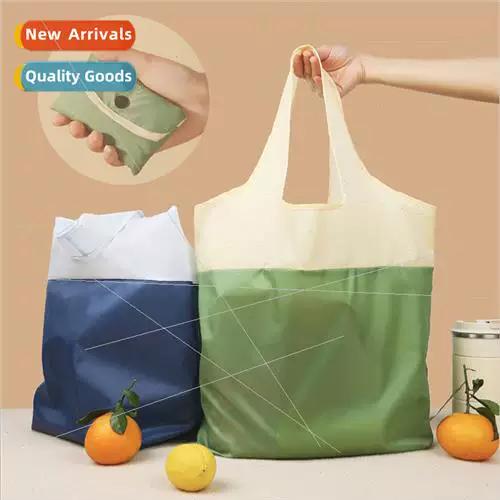
This material is suitable for a broad range of products, including reusable shopping bags, promotional tote bags, drawstring backpacks, travel pouches, and everyday carry bags.
Recycled polyester can offer design flexibility, with different fabric weights, colors, textures, and finishes available. It can also support various printing and branding techniques, making it a practical option for businesses that want to combine customization with recycled material content.
When sourcing rPET bags, ask the manufacturer about the percentage of recycled content and whether supporting documentation is available.
2. Recycled Cotton
Recycled cotton offers another option for businesses seeking fabric bags with a natural textile appearance. It may be sourced from pre-consumer production scraps, post-consumer textile waste, or a combination of both.
Custom recycled cotton bags can be used for shopping, retail packaging, promotional campaigns, and corporate gifts. Their fabric texture can complement minimalist branding, printed graphics, and simple logo designs.
Because recycled cotton fibers can vary in length and quality, the final fabric’s strength and consistency depend on the manufacturing process and material blend. Buyers should confirm the fabric specifications before placing a large order.
3. Recycled Fabric Blends
Some recycled bags are produced using blended fabrics that combine recycled fibers with other materials. Blends can help manufacturers achieve specific requirements for strength, texture, appearance, or production performance.
For example, a recycled cotton blend may be selected for a particular fabric feel, while recycled polyester blends may suit bags requiring a lightweight structure.
When comparing products, review the complete material composition rather than relying on a general recycled-material label. Clear specifications help businesses understand what they are purchasing and communicate product details accurately to customers.
Types of Recycled Bags for Different Business Needs
A professional recycled bag manufacturer may offer a variety of bag styles to suit different industries and customer groups.
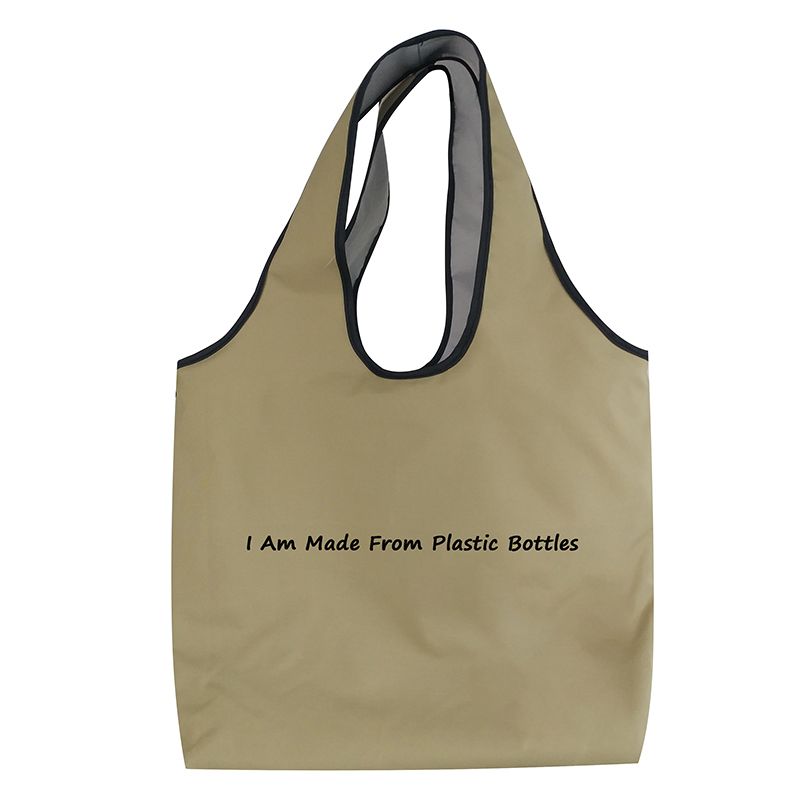
Recycled tote bags: These bags are suitable for retail shopping, trade shows, corporate events, and promotional campaigns. Their simple construction provides useful space for logos and brand graphics.
Recycled shopping bags: Reusable shopping bags can be designed for grocery stores, supermarkets, retail chains, and everyday shopping. Fabric weight, handle strength, and carrying capacity should be considered when selecting a design.
Recycled drawstring bags: Lightweight and easy to carry, drawstring bags are popular for schools, sporting events, fitness programs, and promotional giveaways.
Recycled backpacks: These bags can be developed for commuting, education, travel, and lifestyle merchandise. Depending on the intended use, they may include padded straps, multiple compartments, and reinforced construction.
Recycled cosmetic and travel pouches: Compact pouches can be used for personal care products, accessories, gifts, and retail packaging. Different lining materials and zipper options can support specific product requirements.
Choosing the right bag style begins with understanding your target audience, expected usage, and budget.
Benefits of Working with a Custom Recycled Bag Manufacturer
Working directly with a manufacturer can offer several advantages for businesses purchasing customized bags in bulk.
Flexible Product Customization
Custom manufacturing allows businesses to select bag dimensions, material types, fabric colors, handle styles, closures, and printing methods. This flexibility makes it possible to create products that align with specific brand guidelines and functional requirements.
For example, a retailer may require sturdy recycled shopping bags, while a corporate client may prefer lightweight tote bags with a professionally printed logo.
Consistent Product Specifications
A clearly defined manufacturing process can help maintain consistency across larger orders. By confirming material composition, dimensions, stitching requirements, and branding details before production, buyers can reduce the risk of receiving products that differ from their approved designs.
Samples and written specifications are particularly valuable for businesses planning repeat orders.
Bulk Production Opportunities
Ordering directly from a manufacturer may provide access to a wider range of customization options and production planning support. Actual pricing advantages depend on order quantity, materials, printing complexity, and shipping costs.
Businesses should request a detailed quotation that includes relevant production and delivery expenses before comparing suppliers.
Support for Recycled Material Sourcing
Manufacturers familiar with recycled fabrics can help buyers understand the available material options and documentation requirements. This is particularly important for businesses that need to substantiate recycled-content claims in product descriptions or marketing materials.
However, recycled content and environmental performance should be verified rather than assumed from the appearance of a bag.
How to Choose a Reliable Recycled Bag Manufacturer
Selecting the right manufacturing partner requires more than comparing prices. Product quality, material transparency, communication, and production reliability are all important considerations.
First, evaluate the manufacturer’s product range. Check whether it can produce the bag styles, sizes, fabric weights, and customization details your business needs.
Second, ask about recycled material sourcing. Request information about the origin of the materials, recycled-content percentages, and any relevant third-party certifications or supporting documents. If a certification is important to your business, verify that it applies to the specific material, facility, or product concerned.
Third, review product quality through samples. Examine the fabric, stitching, handles, closures, printing quality, and overall construction. Bags intended for heavier loads may require stronger fabrics and reinforced stress points.
Finally, confirm the minimum order quantity, sample costs, production lead time, packaging requirements, payment terms, and shipping arrangements. Clear communication at the beginning of the project helps both parties understand the specifications and delivery expectations.
Customization and Branding Options for Recycled Bags
Recycled bags can be customized in many ways to create recognizable products for different markets.
Screen printing is often suitable for simple logos and designs with limited colors. Heat transfer may work well for more detailed artwork on compatible fabrics, while embroidery can provide a textured finish for selected bag styles.
Businesses can also customize fabric colors, handle lengths, pocket layouts, zipper pulls, labels, and packaging. These details help create a distinctive product while maintaining a consistent brand identity.
Before production, prepare clear artwork files and specify the logo size, color references, placement, and printing method. Approving a pre-production sample can help ensure that the finished bags match the intended design.
For businesses developing several bag styles, maintaining consistent branding across tote bags, backpacks, pouches, and shopping bags can create a more cohesive product collection.
Why Recycled Bags Are Relevant to Modern Businesses
Recycled bags offer businesses a way to incorporate recycled materials into products that customers can use for shopping, commuting, travel, and everyday activities.
They can also support brand storytelling when material claims are accurate and clearly documented. Retailers may highlight verified recycled content, while companies can use customized bags as part of corporate merchandise or promotional campaigns.
However, recycled materials alone do not guarantee that a product has a lower overall environmental impact. Durability, manufacturing processes, transportation, product lifespan, and end-of-life disposal all influence the broader picture.
For this reason, businesses should focus on selecting practical products that customers are likely to reuse and making specific, verifiable claims about their materials.
Conclusion
Choosing the right recycled bag manufacturer can help businesses develop customized products that combine functionality, attractive design, and verified recycled material content. From recycled polyester tote bags to reusable shopping bags, drawstring backpacks, and travel pouches, the available options can meet a wide range of commercial needs.
Before placing a bulk order, evaluate material specifications, customization capabilities, product quality, certification documentation, and production arrangements. A reliable manufacturing partner should be able to communicate clearly and help ensure that the finished bags meet your requirements.
At Monsoon Bags, businesses can explore customized bag solutions for promotional campaigns, retail collections, corporate merchandise, and bulk purchasing projects. By selecting suitable materials and thoughtful designs, your business can develop recycled bags that serve practical everyday needs while supporting a more informed approach to material sourcing.
