blog
Key Considerations When Choosing a Toiletry Bags Manufacturer for Your Brand
Oct
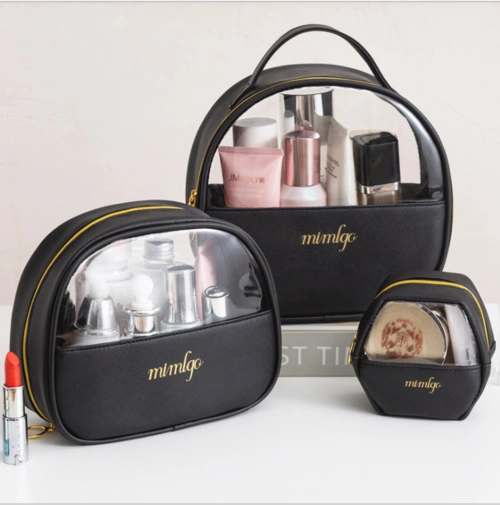
In the global accessories and travel gear market, functional, durable, and stylish storage solutions remain in high demand. Among these essential items, toiletry bags stand out as indispensable travel companions for consumers worldwide. Whether designed for frequent business travelers, outdoor adventurers, or everyday gym-goers, a well-crafted travel case reflects a brand’s commitment to quality and thoughtful design.
If you are expanding your bag line, launching a new travel collection, or sourcing custom accessories, partnering with the right toiletry bags manufacturer is one of the most critical decisions you will make. Here is a comprehensive guide to what makes a top-tier manufacturing partner and how to choose the right production team for your business.
1. Material Selection and Durability
The choice of materials directly impacts both the product’s performance and customer satisfaction. Toiletry kits frequently come into contact with moisture, liquids, and various grooming products. As a result, premium manufacturers prioritize water-resistant, durable, and easy-to-clean fabrics.
- Nylon and Polyester: Highly versatile, lightweight, and tear-resistant. High-density variants like 600D polyester or 420D ripstop nylon offer excellent longevity.
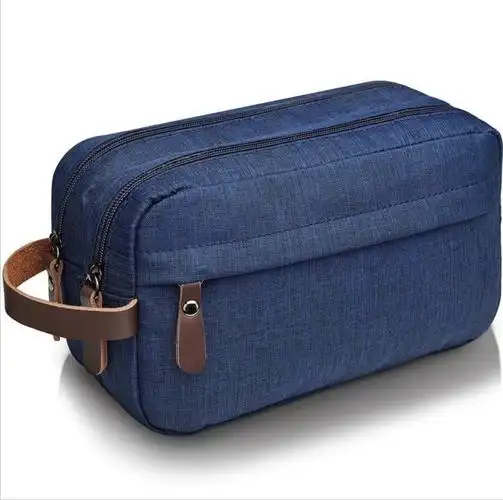
- Canvas and Denim: Ideal for vintage, casual, or eco-conscious collections. When combined with a protective inner lining, canvas creates a timeless aesthetic without sacrificing function.
- PU and Genuine Leather: Preferred for high-end, executive, or luxury travel lines. Leather provides an elegant finish that appeals to premium consumers.
- Eco-Friendly Recycled Fabrics: Materials made from post-consumer recycled plastics (such as RPET) are becoming increasingly popular among modern consumers who prioritize sustainability.
A reliable supplier should offer a broad spectrum of material samples and provide guidance on which fabric combinations work best for your intended market segment.
2. Smart Compartmentalization and Ergonomic Design
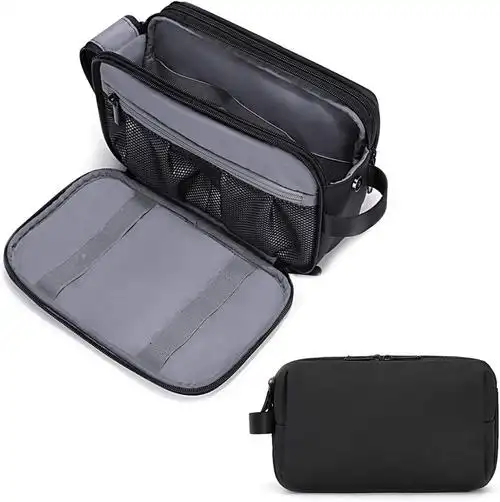
Functionality is the primary reason consumers purchase organized storage bags. A great manufacturer does not simply stitch panels together; they understand how space is utilized inside a bag.
When evaluating potential designs or working on original equipment manufacturing (OEM) projects, consider these essential functional features:
- Leak-Proof Linings: Thermal-sealed TPU or PVC compartments prevent accidental liquid spills from ruining clothes inside a suitcase.
- Mesh and Elastic Loops: Breathable mesh pockets keep small bottles upright, while elastic bands secure razors, toothbrushes, and grooming tools.
- Hanging Hooks and Handles: Integrated swivel hooks allow users to hang their kit on bathroom towel bars or door handles, saving counter space in compact hotel rooms.
- Smooth, Heavy-Duty Zippers: High-quality zippers (such as YKK or customized metal pulls) ensure smooth operation without snagging or rusting over time.
3. Customization, OEM, and ODM Capabilities
To stand out in a competitive retail landscape, your products need unique branding elements. A professional production facility should support comprehensive OEM (Original Equipment Manufacturing) and ODM (Original Design Manufacturing) services.
Key customization options to look for include:
- Custom Logos: Screen printing, rubber patches, woven labels, heat transfer, or subtle leather embossing.
- Custom Hardware: Branded zipper pulls, custom buckles, and distinct snap buttons.
- Color Matching: Precision Pantone color matching to ensure your travel organizers perfectly match your brand’s overall color palette.
- Bespoke Sizing and Shapes: From compact dopp kits for minimalism lovers to multi-tier hanging wash bags for family trips.
4. Quality Control and Production Standards
Inconsistent product quality can destroy customer trust and lead to high return rates. Before committing to a large production run, ensure your manufacturing partner implements rigorous quality control procedures at every stage:
- Raw Material Inspection: Checking fabrics, zippers, and hardware before cutting begins.
- In-Line Quality Checks: Monitoring stitching accuracy, seam strength, and lining alignment during assembly.
- Final Inspection: Inspecting finished bags for loose threads, zipper functionality, cleanliness, and structural integrity.
Working with an experienced factory ensures that the bulk production matches the sample quality approved at the start of the project.
5. Scaling Production and On-Time Delivery
Whether you are a growing brand placing your first bulk order or an established retailer managing high-volume inventory, clear communication, flexible minimum order quantities (MOQs), and reliable lead times are essential. A capable supplier acts as a strategic partner, helping you manage production timelines, navigate logistics, and scale seamlessly as demand increases.
Final Thoughts
Finding an experienced, quality-driven production partner is the cornerstone of building a successful travel accessories line. By focusing on premium materials, practical design features, flexible customization, and strict quality control, you can deliver products that delight your customers and strengthen your brand’s reputation for excellence.
If you are looking for an experienced partner to bring your travel bag designs to life, explore customized production solutions that align with your vision and market goals.
Would you like to adjust anything?
I can tailor this further based on your specific focus. Would you like me to:
- Shift the focus toward eco-friendly/recycled materials?
- Focus more on custom B2B / wholesale services?
- Create a series of related blog topics for your content calendar?
